The Impact of Volunteerism on Community Events
Volunteerism plays a crucial role in the success and vibrancy of community events across the United States. Research indicates that community engagement through volunteer efforts not only enriches events but also cultivates a sense of belonging and connection among participants.
Understanding the Basics of Volunteerism
Volunteerism typically involves individuals offering their time and skills to support community initiatives without monetary compensation. According to the Corporation for National and Community Service, more than 77 million adults in the U.S. volunteered in 2020, contributing over 6.9 billion hours of service. This not only benefits the events themselves but also fosters a connected and supportive community.
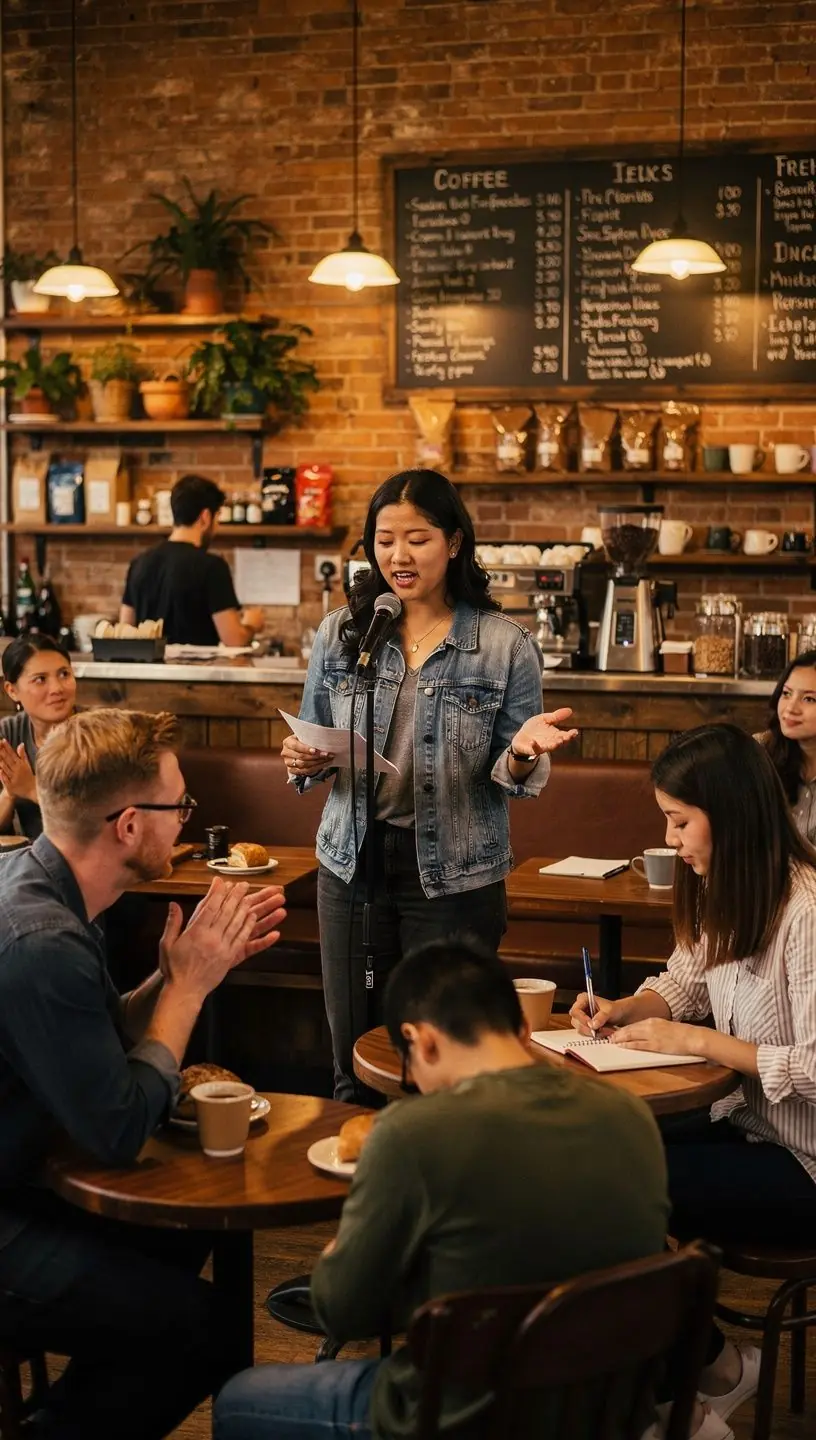
"Communities thrive when individuals come together to support shared goals and initiatives." - National Volunteer Organizations
The Benefits of Volunteerism in Community Events
Engaging volunteers can enhance community events in several ways:
- Resource Allocation: Volunteers can help organize, manage, and execute events, ensuring that resources are utilized efficiently. This is important, as many community events operate on limited budgets.
- Increased Participation: Studies show that events featuring volunteers often see higher participation rates. Folks are more likely to attend events where they feel a personal connection to those involved.
- Skill Development: Volunteering is an effective way for individuals to gain new skills, which can be beneficial in their personal and professional lives. Many users report that their volunteering experiences helped them develop useful abilities like leadership and teamwork.
Understanding the Challenges
While the benefits are significant, it is essential to acknowledge that organizing volunteer efforts requires careful planning and dedication. The commitment involved can often be underestimated:
- Recruiting volunteers typically takes planning and outreach, often requiring a minimum of several weeks to build a reliable team.
- Training volunteers effectively can also take time, particularly for events that require specific skills or knowledge.
- Ensuring a rewarding experience for volunteers is crucial, as individuals may disengage if they do not feel their contributions are valued.
Engaging the Community
To maximize the impact of volunteers on community events, organizers can apply several strategies:
- Clear Communication: Clearly outline the roles and responsibilities of volunteers. Research suggests that when volunteers understand their impact, they are more likely to stay engaged.
- Recognize Contributions: Publicly acknowledging the work of volunteers can foster a sense of appreciation and belonging. Many community organizers use social media and local events to highlight volunteer efforts.
- Create Inclusive Opportunities: Ensure that volunteer opportunities are accessible to a wide range of individuals, including those with different skill sets, backgrounds, and levels of experience.
Conclusion
In summary, volunteerism significantly enhances community events by promoting engagement, resource efficiency, and personal development. However, it requires thoughtful planning and commitment to be effective. By understanding the value of volunteer contributions and implementing best practices, communities can foster stronger connections and create memorable experiences for all involved.