Understanding the Role of Music in Community Engagement
Music has long served as a universal language, bridging gaps and fostering connections among individuals in various communities. This article explores the significant impact of music on community engagement, particularly within hobby clubs, music events, and interactive social gatherings.
The Power of Music in Communities
Research indicates that music can enhance social cohesion and promote a sense of belonging among community members. According to a study published in the Journal of Community Psychology, communities that engage in musical activities often experience increased trust and cooperation among participants. This is largely because music fosters shared experiences, creating bonds that might not otherwise develop.
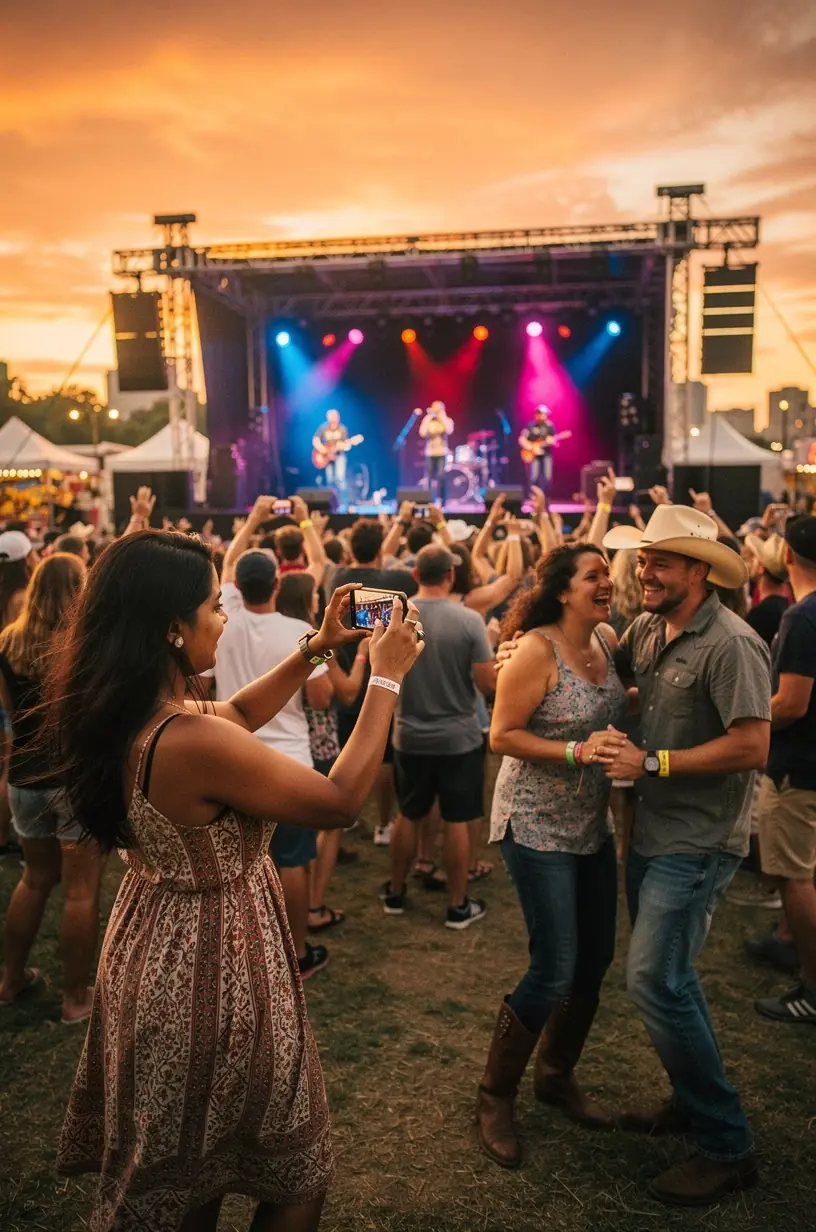
"Music acts as a social glue, uniting individuals through shared rhythms and emotions." - Community Engagement Expert
How Music Fosters Engagement
Many users report that participating in music-related activities can lead to enhanced community involvement. Here are some ways music contributes to community engagement:
- Creating Shared Experiences: Community events that feature live music or sing-alongs encourage participation from members of different backgrounds, promoting inclusivity.
- Encouraging Collaboration: Music workshops and jam sessions often require teamwork, helping individuals to develop relationships while learning new skills.
- Enhancing Communication: Music can serve as a conversation starter, easing social interactions among participants who might be hesitant to engage otherwise.
Practical Steps for Incorporating Music into Community Events
To leverage music as a tool for community engagement, consider the following steps:
- Identify Community Interests: Survey community members to understand their musical preferences and interests. This information can guide event planning.
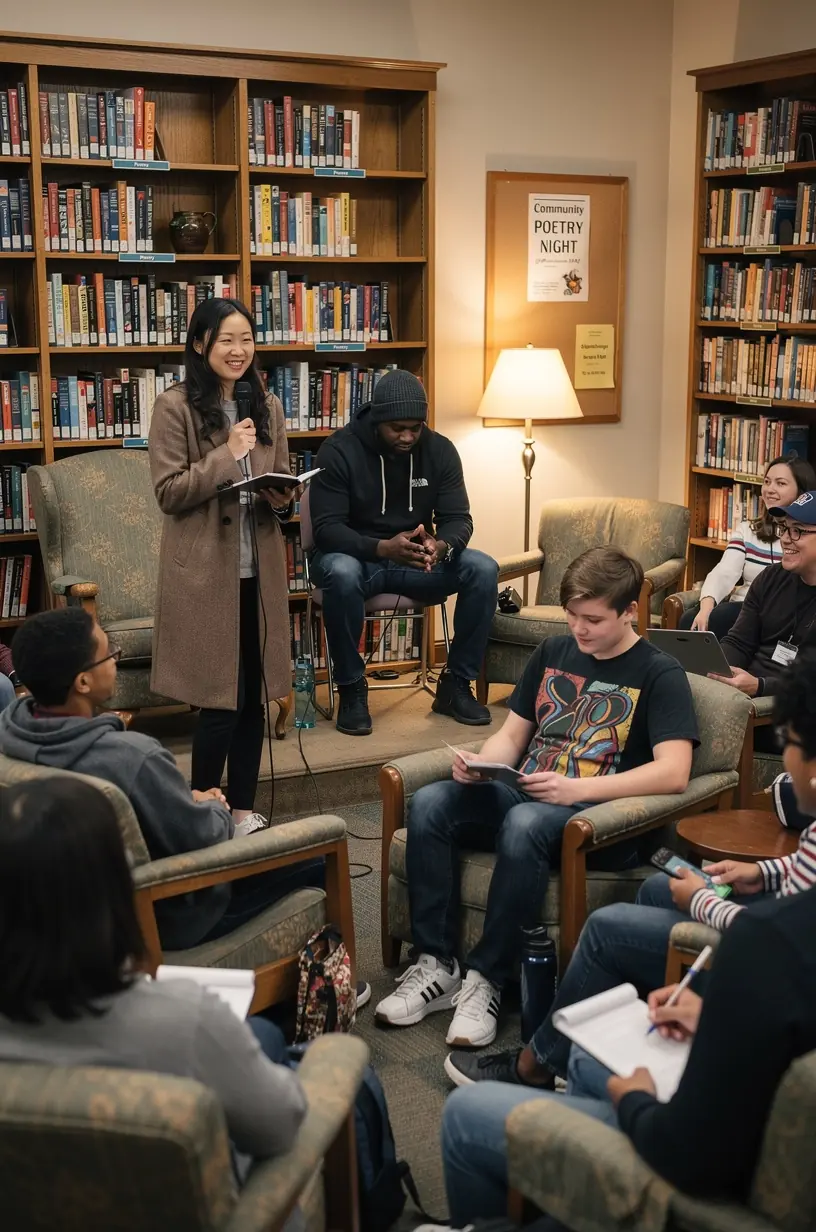
- Organize Inclusive Events: Plan music events that cater to diverse audiences, such as open mic nights or family-friendly concerts, which typically attract a wide range of participants.
- Partner with Local Musicians: Collaborate with local artists or music groups to enhance the authenticity of your events. Research shows that local talent often resonates more deeply with community members.
Challenges and Considerations
While incorporating music into community engagement initiatives can be rewarding, it also comes with challenges:
- Time Commitment: Organizing music events typically requires significant planning and coordination, often taking weeks to months to execute effectively.
- Logistical Considerations: Ensuring that venues are suitable for musical performances and that appropriate sound equipment is available can involve additional effort.
- Inclusivity: It’s essential to consider the varied musical tastes within a community, as not all genres will appeal to everyone.
Conclusion
Engaging communities through music can lead to stronger bonds, increased participation, and a more vibrant community life. By understanding the principles behind musical engagement and addressing potential challenges, community organizers can create impactful experiences that resonate with diverse groups. Ultimately, the integration of music into community activities can be a vital step towards enhancing social connections and collective identity.
Learn More