Navigating the Process of Organizing a Music Festival
Organizing a music festival can be an exciting yet challenging endeavor. From selecting the right venue to coordinating logistics and marketing, there are many factors to consider. This article will guide you through the essential steps of this process, helping you create an event that resonates with the community.
Understanding the Basics
Before diving into the logistics, it's important to understand the foundational elements of music festival planning. According to industry experts, the first step is defining the festival's vision and target audience. This involves deciding on the festival's theme, genre of music, and overall atmosphere. Festivals that are aligned with community interests typically attract larger crowds.

"The success of a music festival largely depends on its ability to connect with the local community and reflect their tastes and preferences."
Key Steps in Organizing a Music Festival
- Choose a Location: Selecting the right venue is critical. Look for locations that have the infrastructure to support a large gathering, such as adequate parking and restroom facilities. Research suggests that outdoor venues can enhance the overall experience by offering a vibrant atmosphere.
- Set a Budget: Establishing a realistic budget is essential. This typically includes costs for venue rental, artist fees, marketing, and insurance. Many festivals report that a well-planned budget can help avoid financial pitfalls.
- Book Artists: Research shows that securing popular or emerging artists can significantly boost ticket sales. Consider a mix of genres to appeal to a wider audience. Engage with local artists, as they often bring a loyal fan base and can help promote the event.
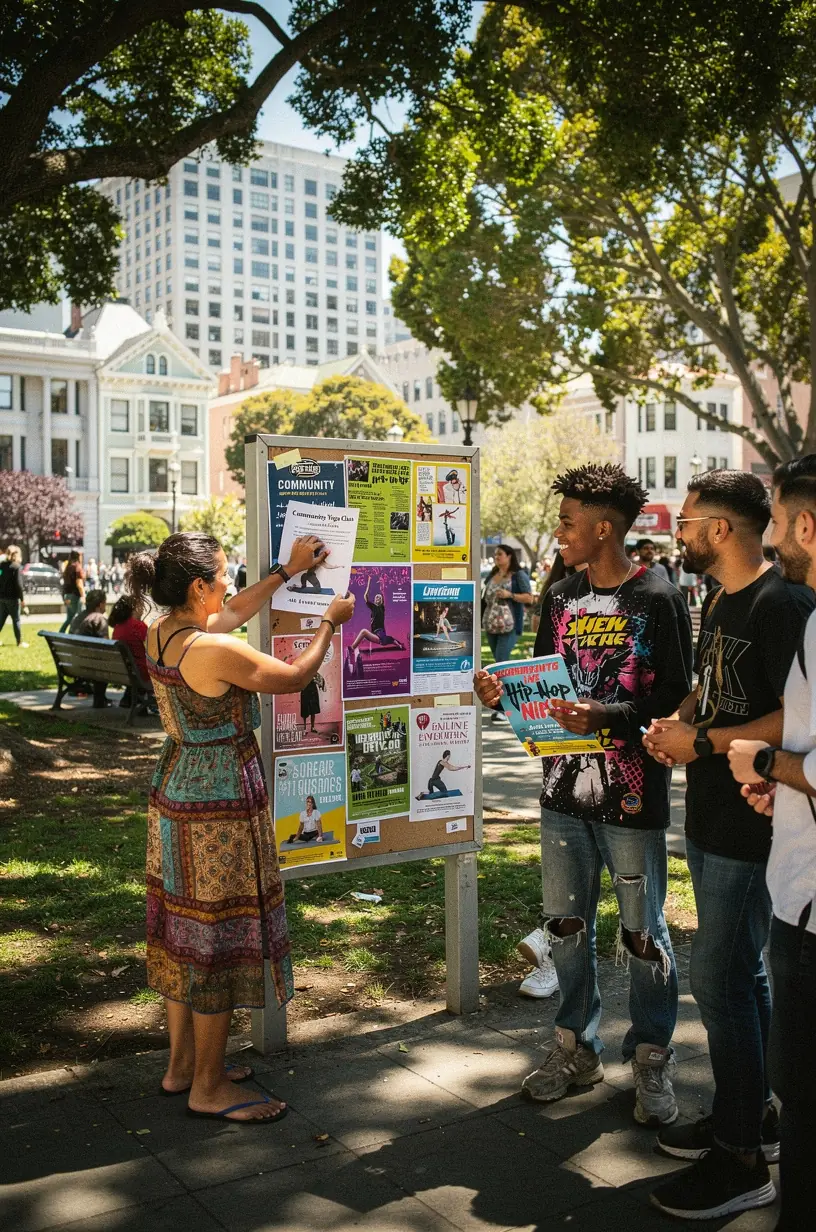
- Promote the Event: Effective marketing strategies are crucial for success. Utilize social media platforms, local radio stations, and community boards to spread the word. Experts recommend starting promotion at least 3-6 months prior to the event to build momentum.
- Plan Logistics: This involves coordinating sound and lighting equipment, security, and vendors. Studies indicate that thorough logistical planning can enhance attendee satisfaction and safety.
Challenges You May Encounter
While organizing a music festival can be rewarding, it often involves overcoming challenges. Weather unpredictability, licensing issues, and ensuring public safety are common obstacles. Experts suggest developing contingency plans for these scenarios to minimize disruptions. Moreover, engaging with a team of experienced volunteers or professionals can help manage these challenges effectively.
Conclusion
Organizing a music festival is a complex process that requires careful planning and execution. By following these steps and acknowledging the challenges, you can create an engaging experience that resonates with your community. Remember, clear communication and a strong understanding of your audience are at the heart of a successful music festival.